


All Products
-
Nuclear Radiation Protection
-
Nuclear Radiation Detector
-
Copper Foil Shielding
-
RF Shielded Doors
-
RF Shielded Windows
-
Radiation Protection Lead Glass
-
Non Magnetic Tool Kit
-
RF Shielded Chamber
-
Honeycomb Waveguide Air Vents
-
Conductive Adhesive Copper Tape
-
Copper Wire Mesh
-
X Ray Lead Glass
-
EMI Shielding Gasket
-
Electrically Conductive Fabric
-
Radiation Protection Door
-
Radiation Protection X Ray
-
Faraday Cage MRI
-
Copper Wire Wool
-
MRI LED Lighting
-
Non Magnetic Wheelchair
-
Non Magnetic Stretcher
-
 AnasBrass honeycomb vent Looks Very Nice
 -
 SatheeshMRI/RF doors are shining with handles, Thank you My friend.
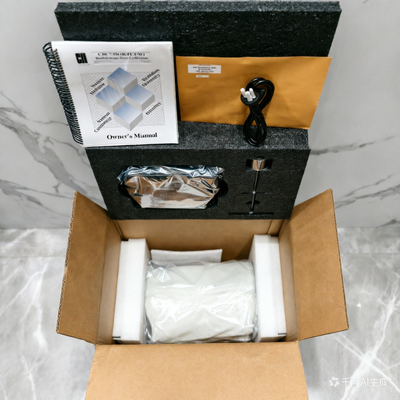
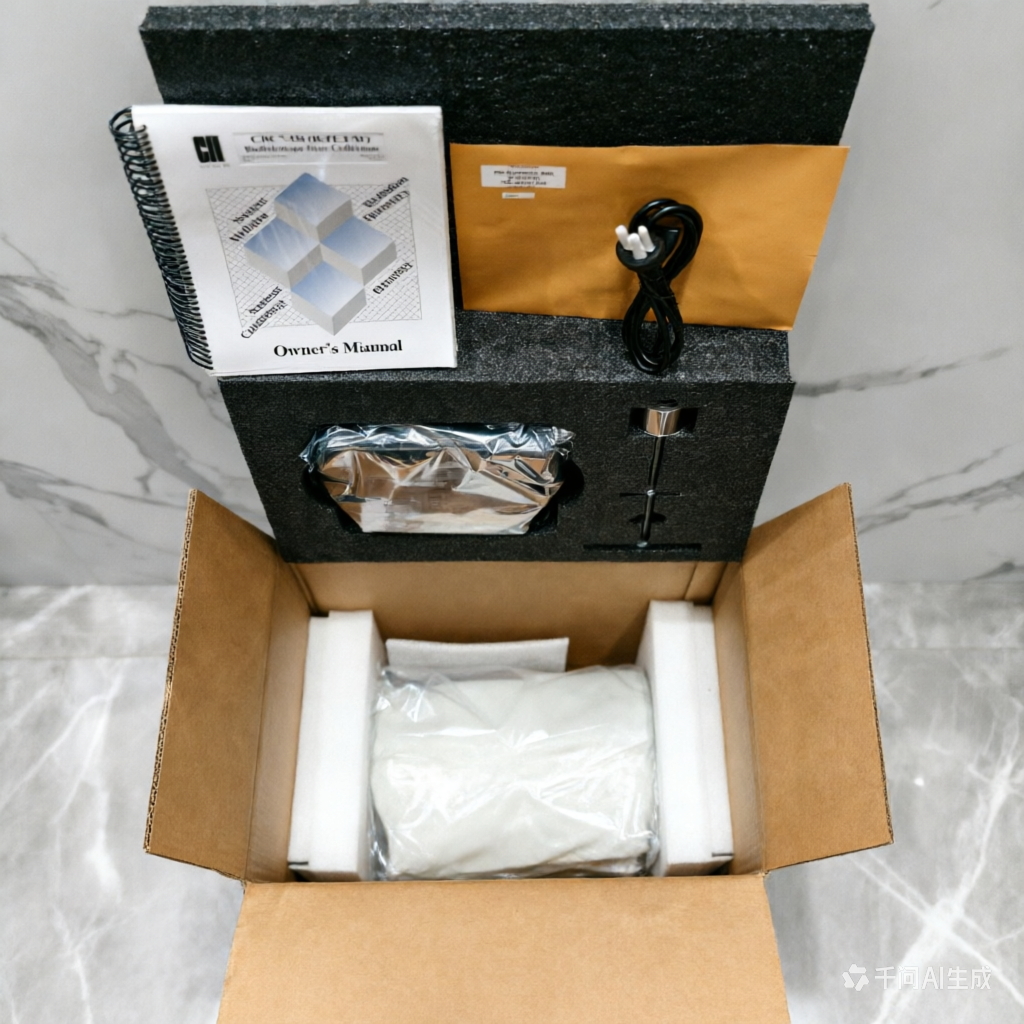
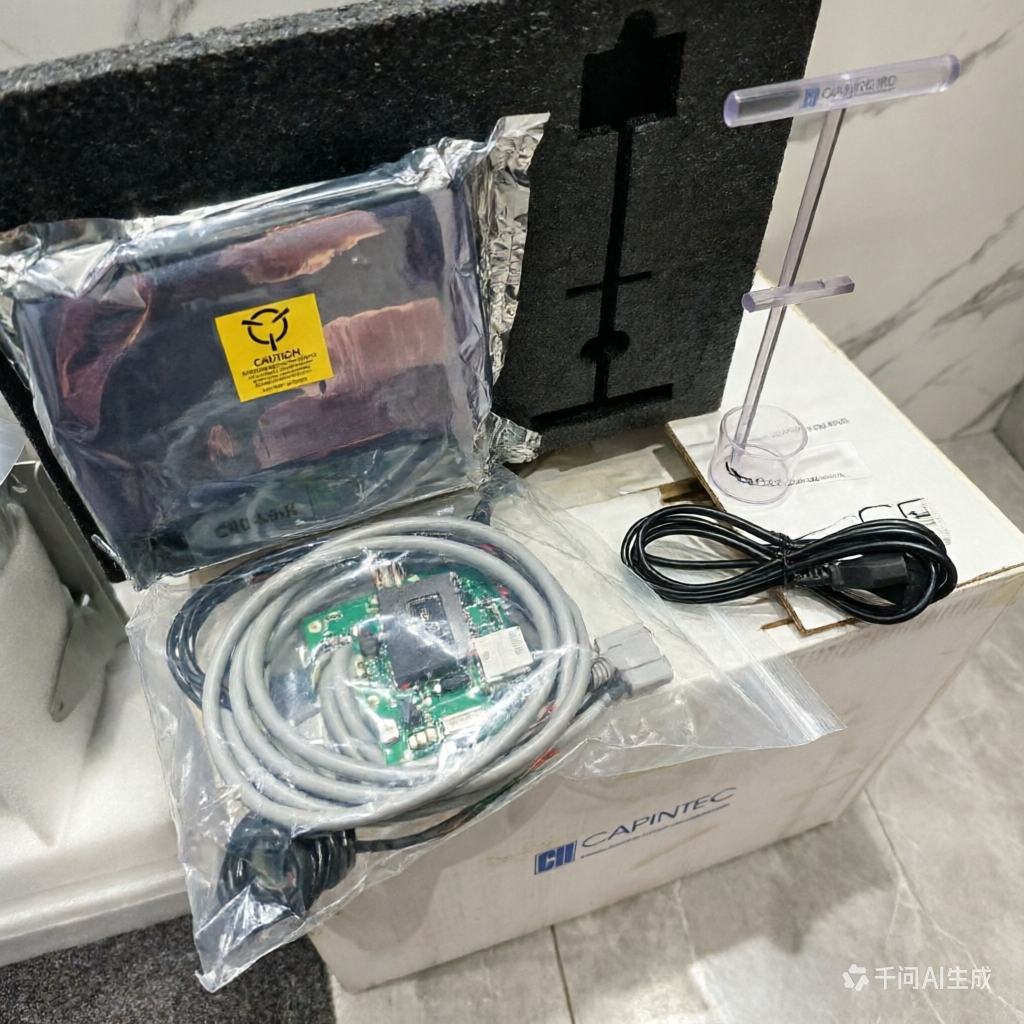
All-in-One Dose Calibrator for Nuclear Medicine Hot Cell Operations
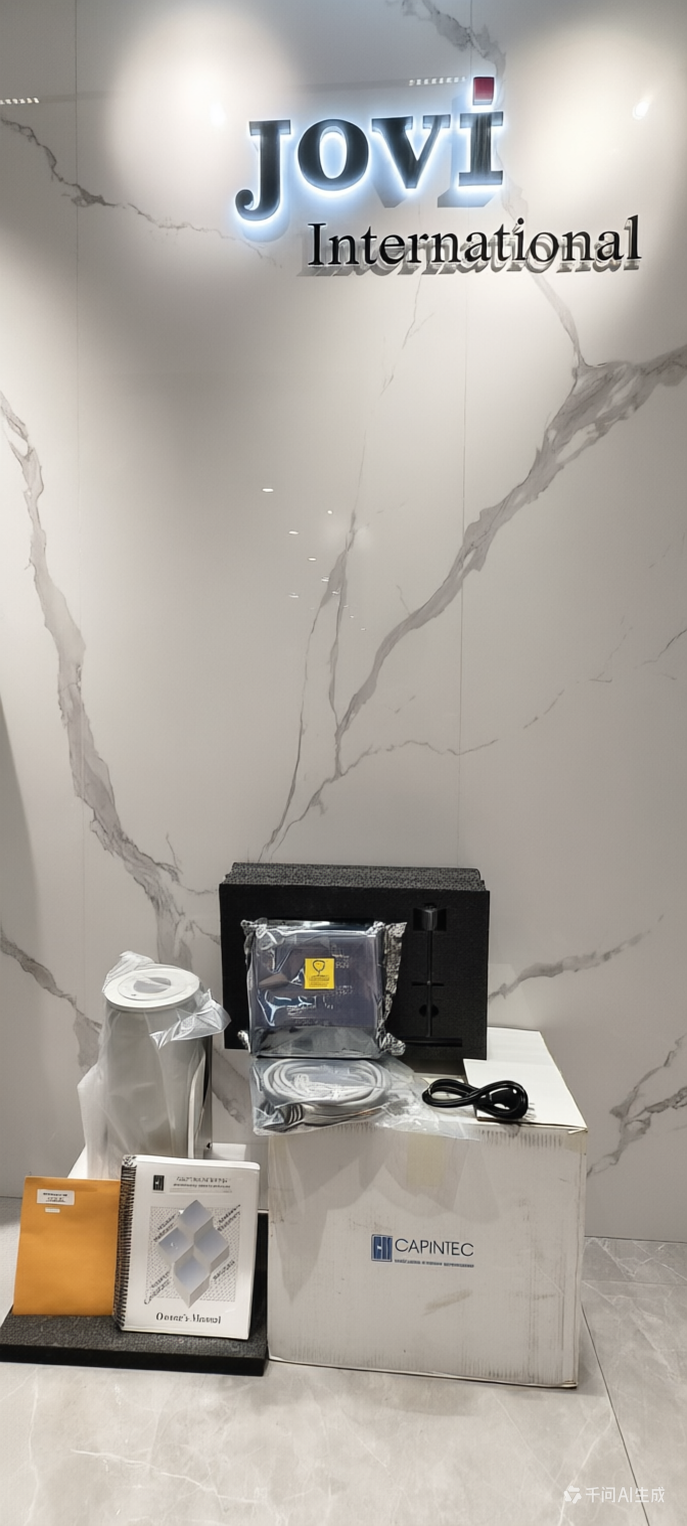
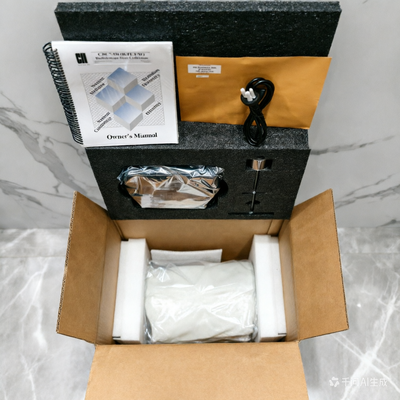
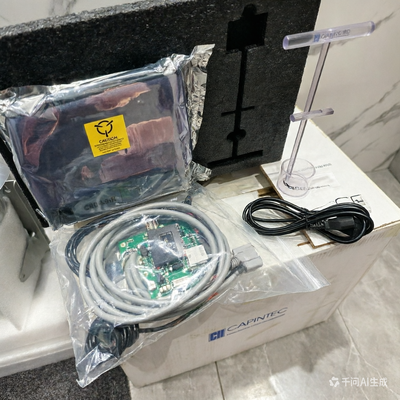
Product Details
| Material | Durable ABS Plastic Housing | Operating Temperature | -20°C To 50°C |
|---|---|---|---|
| Energy Response | 50Kev~5Mev | Rays Type | α +β / α / β |
| Cumulative Dose Range | 0.1 μSv ~ 10 Sv | Measuring Range | Neutron Dose Rate: 0.1μSv/h~100mSv/h |
| Highlight | All-in-One Nuclear Medicine Calibrator,Integrated Hot Cell Operations,Complete Dose Measurement System |
||
Product Description
All-in-One Dose Calibrator for Nuclear Medicine Hot Cell Operations
Product Introduction
Product Introduction
The All-in-One Dose Calibrator is designed to be the only dose measurement instrument a nuclear medicine hot cell needs. Most departments maintain multiple instruments: one for high-activity therapy doses, one for low-activity QC samples, one for syringes, one for vials, and separate devices for decay correction, data logging, and printer output. This instrument combines all these capabilities into a single integrated system. The wide measurement range (0.01 μCi to 10 Ci) covers everything from waste characterization to therapy doses. The multi-geometry chamber (vial, syringe, capsule, pill, and chromatography strip) handles all sample types. The built-in decay correction, data logging, printer, and USB export provide complete documentation. The result is a single instrument that replaces five or six separate devices, saving space, reducing training requirements, and simplifying maintenance.
Application Range
Application Range
The All-in-One Dose Calibrator is designed for any nuclear medicine department that wants to simplify its hot cell instrumentation. Primary applications include all routine dose preparation tasks (generator elution, patient dose dispensing, therapy dose preparation), all quality control tasks (constancy checks, linearity testing, breakthrough measurement, radiochemical purity), all low-activity measurements (waste characterization, wipe tests, residual activity), and all documentation tasks (data logging, printing, export). The instrument is equally suitable for small departments (where a single instrument reduces capital costs) and for large departments (where a standardized instrument simplifies training and maintenance).
Performance and Benefits
Performance and Benefits
The All-in-One Dose Calibrator combines the capabilities of multiple specialized instruments into a single integrated system. The measurement range covers from 0.01 μCi to 10 Ci with ±5% accuracy across the full range — combining the sensitivity of a low-activity counter with the capacity of a therapy dose calibrator. The multi-geometry chamber accepts vials (10-30 mL), syringes (1-10 mL), capsules (sizes 000-1), pills, and chromatography strips, with geometry-specific calibration factors stored for each. The ionization chamber uses a dual-chamber design: a small, high-sensitivity inner chamber for low-activity samples and a large outer chamber for high-activity samples, with automatic switching between chambers. The instrument includes a comprehensive software suite that supports all nuclear medicine measurement tasks. The software modules include: Dose Preparation (patient-specific dosing with decay correction), Generator QC (breakthrough, aluminum, yield tracking), Therapy Dosing (high-activity measurements with decay correction), Quality Control (constancy, linearity, geometry testing), Low-Activity (waste characterization, wipe tests, residual activity), and Documentation (data logging, printing, export). The user selects the desired module from a touchscreen menu, and the instrument configures itself for that application — setting the appropriate measurement range, selecting the correct calibration factors, and displaying application-specific prompts. The software includes a barcode scanner interface, allowing the user to scan patient IDs, generator lot numbers, and vial labels for automated data entry. The data logging system stores up to 5,000 measurements in a searchable database, with export to laboratory information systems via USB, WiFi, or Ethernet. The integrated thermal printer produces labels or paper records for all measurements. The remote display unit features a 10-inch color touchscreen with an adjustable mount, allowing positioning for optimal ergonomics. The detector unit installs inside the hot cell and connects to the display via a shielded cable (or optionally via Bluetooth for wireless installation). For nuclear medicine departments, the primary benefit of the All-in-One design is simplicity. Staff need to learn only one instrument, not five or six. Maintenance involves one instrument, not a fleet. Spare parts inventory is reduced to one set. The single instrument occupies less bench space inside and outside the hot cell. The integrated documentation ensures that all measurements are automatically recorded, eliminating the "data silos" that occur when separate instruments have separate logging systems. While the initial purchase price is higher than a basic dose calibrator, the All-in-One instrument typically costs less than the sum of the separate instruments it replaces, and the operational savings in training, maintenance, and documentation quickly offset the difference. For departments seeking to modernize their hot cell operations, the All-in-One Dose Calibrator offers a comprehensive solution.
Recommended Products
