


All Products
-
Nuclear Radiation Protection
-
Nuclear Radiation Detector
-
Copper Foil Shielding
-
RF Shielded Doors
-
RF Shielded Windows
-
Radiation Protection Lead Glass
-
Non Magnetic Tool Kit
-
RF Shielded Chamber
-
Honeycomb Waveguide Air Vents
-
Conductive Adhesive Copper Tape
-
Copper Wire Mesh
-
X Ray Lead Glass
-
EMI Shielding Gasket
-
Electrically Conductive Fabric
-
Radiation Protection Door
-
Radiation Protection X Ray
-
Faraday Cage MRI
-
Copper Wire Wool
-
MRI LED Lighting
-
Non Magnetic Wheelchair
-
Non Magnetic Stretcher
-
 AnasBrass honeycomb vent Looks Very Nice
 -
 SatheeshMRI/RF doors are shining with handles, Thank you My friend.
Hot Cell Dose Calibrator for Accurate Radiopharmaceutical Dosing
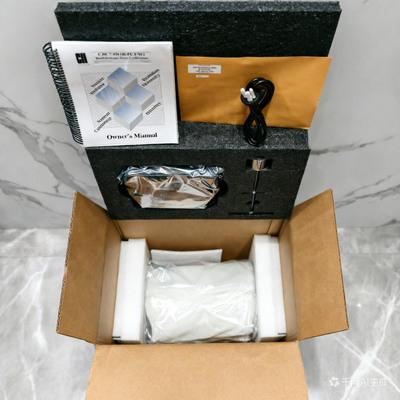
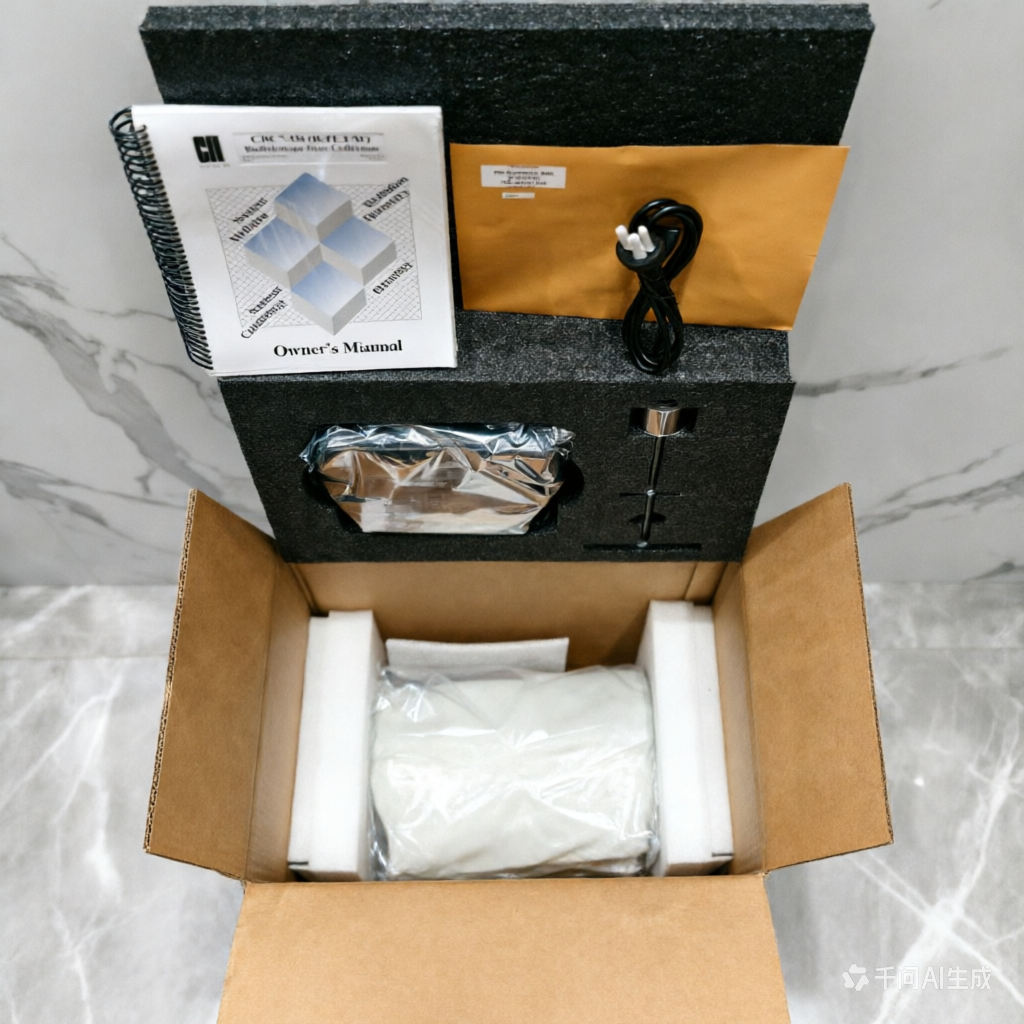
| Brand Name | Dose Calibrator For Nuclear Medical |
|---|---|
| Certification | ISO9001 |
| Model Number | JVVMED-015 |
| Document | JVVMEG-NRM.pdf |
| Minimum Order Quantity | 1 Pc |
| Price | $13500 |
| Packaging Details | Wooden Case |
| Delivery Time | Within 15 Working Days |
| Payment Terms | T/T In Advance |
| Supply Ability | 500sets/year |
Product Details
| Operatingtemperature | -20°C To 50°C | Operating Temperature | -20°C To 50°C |
|---|---|---|---|
| Cumulative Dose Range | 0.1 μSv ~ 10 Sv | Dosage Equivalent Rate | 0.00—99999μSv/h (maximum 100 MSv/h) |
| Material | Durable ABS Plastic Housing | Datastorage | Up To 1000 Readings |
| Detection Type | Alpha, Beta, Gamma, Neutron | Measuring Range | Neutron Dose Rate: 0.1μSv/h~100mSv/h |
| Highlight | Accurate Radiopharmaceutical Dosing,Hot Cell Activity Calibrator,Precision Nuclear Medicine Meter |
||
Product Description
Hot Cell Dose Calibrator for Accurate Radiopharmaceutical Dosing
Product Introduction
The Hot Cell Dose Calibrator is a specialized instrument that brings laboratory-grade accuracy to radiopharmaceutical dose measurement inside lead-shielded hot cells. Unlike general-purpose dose calibrators that require manual transfer of radioactive materials to an external measuring station, this unit places the detector directly inside the hot cell where doses are prepared. The slim-profile ionization chamber passes through shielding ports with minimal modification to existing hot cell infrastructure, and all electronics — including the display, controls, and printer — reside outside the shielded environment. This configuration enables technicians to measure activity without ever opening the hot cell or removing the dose from its protective shielding.
Application Range
This dose calibrator is indispensable for nuclear medicine departments that prepare patient-specific radiopharmaceutical doses daily. Typical applications include measuring the total activity of freshly eluted Tc-99m from a generator, aliquoting precise F-18 activities for multiple PET patients, verifying I-131 capsule activity before administration, and confirming Lu-177 dose accuracy for PRRT treatments. The calibrator also supports quality assurance protocols such as daily constancy checks, quarterly linearity testing, and geometry verification. In theranostic applications — where the same radiopharmaceutical is used for both diagnostic imaging and therapy — the wide measurement range accommodates both low-activity diagnostic doses (microcurie levels) and high-activity therapy vials (multicurie levels). Research and development applications include measuring radiolabeling yield during novel tracer synthesis and verifying activity concentrations for preclinical studies.
Performance and Benefits
The Hot Cell Dose Calibrator achieves measurement accuracy of ±5% with a reproducibility of better than ±2% for repeat measurements of the same sample. The ionization chamber is specifically designed to maintain calibration stability even when exposed to the high radiation fields present inside a busy hot cell — fields that would degrade the performance of standard instruments within months. The remote display unit features a large, backlit LCD that shows both current activity and previously stored reference values. A footswitch option allows hands-free measurement initiation, which is particularly valuable when manipulating syringes or vials with hot cell manipulators. The instrument automatically applies decay correction when the user enters the reference time, eliminating calculation errors that could lead to underdosing or overdosing patients. For theranostic applications using long-lived isotopes such as Lu-177 (half-life 6.6 days), the decay correction feature proves especially valuable for multi-day dosing schedules. The calibrator includes a built-in nuclide library with factory-set calibration factors traceable to national standards, and users can add custom settings for research isotopes or locally prepared radiopharmaceuticals. Data logging capabilities allow up to 500 measurements to be stored with timestamps, nuclide identification, and operator ID, supporting comprehensive dose recordkeeping. The printer output produces a paper record for each dose, which can be attached to the patient chart or retained for regulatory inspection. For nuclear medicine departments, the primary benefits are improved patient safety through accurate dosing, reduced occupational exposure by eliminating open-cell measurements, and enhanced regulatory compliance through automated recordkeeping. The instrument's robust construction — including sealed electronics and corrosion-resistant surfaces — ensures reliable operation for years, even in the challenging environment of a high-volume radiopharmacy.
Recommended Products
