


All Products
-
Nuclear Radiation Protection
-
Nuclear Radiation Detector
-
Copper Foil Shielding
-
RF Shielded Doors
-
RF Shielded Windows
-
Radiation Protection Lead Glass
-
Non Magnetic Tool Kit
-
RF Shielded Chamber
-
Honeycomb Waveguide Air Vents
-
Conductive Adhesive Copper Tape
-
Copper Wire Mesh
-
X Ray Lead Glass
-
EMI Shielding Gasket
-
Electrically Conductive Fabric
-
Radiation Protection Door
-
Radiation Protection X Ray
-
Faraday Cage MRI
-
Copper Wire Wool
-
MRI LED Lighting
-
Non Magnetic Wheelchair
-
Non Magnetic Stretcher
-
 AnasBrass honeycomb vent Looks Very Nice
 -
 SatheeshMRI/RF doors are shining with handles, Thank you My friend.
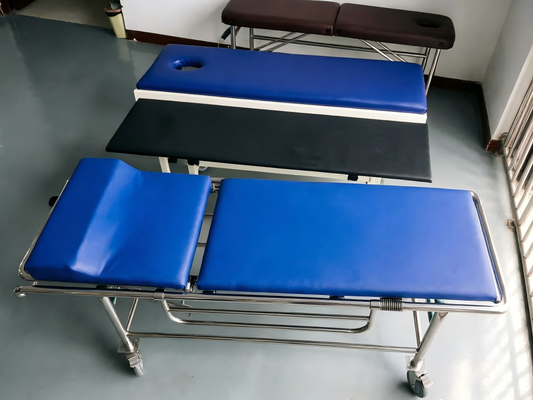
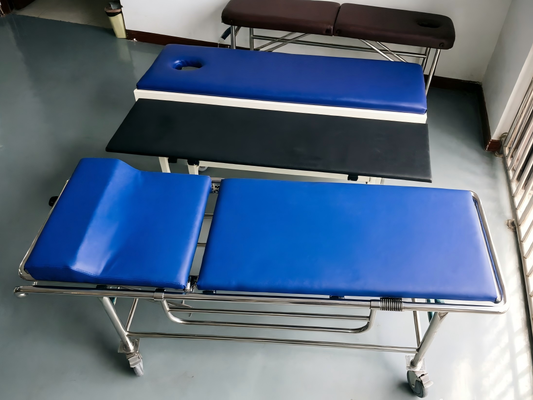
Non Magnetic Stretcher with Oxygen Tank Holder and 450 Pounds Weight Capacity Made of Non-magnetic Aluminum Alloy for MRI Rooms

| Brand Name | Jovi |
|---|---|
| Certification | ISO |
| Model Number | 1-cff-09 |
| Document | JVVM-NMT-Series SPE and Quo...on.pdf |
| Minimum Order Quantity | 1set |
| Price | $1200-$1580 |
| Packaging Details | In Wooden Case Or Customized |
| Delivery Time | 5-8 Work Days |
| Payment Terms | T/T |
| Supply Ability | 300 Set / Month |
Product Details
| Weight | 8 Kg | Material | Non-magnetic Aluminum Alloy |
|---|---|---|---|
| Deck Length | 78 Inches | Deck Width | 24 Inches |
| Height Adjustable | 22 To 32 Inches | Weight Capacity | 450 Pounds |
| Highlight | 450Lb Stretcher,Premium Stretcher Mri,Professional Non-Magnetic Aluminum |
||
Product Description
MRI Stretcher with Oxygen Tank Holder
The MRI Stretcher with Oxygen Tank Holder addresses a common clinical need: providing supplemental oxygen to patients during MRI transport and scanning. Many MRI patients require oxygen – whether for chronic respiratory conditions, acute illness, or sedation-related respiratory depression. This stretcher integrates an oxygen tank holder into the undercarriage, keeping the tank secure and out of the way while maintaining full non-magnetic properties.
The oxygen tank holder is a molded aluminum cradle that holds D or E cylinders. D cylinders are 4 inches in diameter and 18 inches tall; E cylinders are 5 inches in diameter and 25 inches tall. The cradle is sized to accommodate both – it has a 5.5-inch diameter and a 12-inch depth, with a ratcheting strap that tightens around the cylinder body. The cradle is mounted to the stretcher frame using brass bolts and nylon locknuts. The cradle itself is made of non-magnetic aluminum alloy 6061, which is both strong and corrosion-resistant.
The holding strap is heavy-duty hook-and-loop (Velcro) with no metal buckles or rivets. The strap is 2 inches wide and 24 inches long, providing plenty of length to secure cylinders of various sizes. The hook-and-loop closure is rated for 50 pounds of holding force when fully engaged. The strap is attached to the cradle with a nylon rivet that passes through the strap and the cradle. The strap can be replaced in the field if it wears out – no tools are required.
The cradle’s pivot uses a nylon bushing. The cradle can be rotated out of the way when not in use, folding flat against the stretcher frame. When extended, the cradle is angled slightly outward so that the tank does not interfere with the wheels or the operator’s feet. The pivot mechanism includes a detent that holds the cradle in either the stowed or deployed position; the detent is made of plastic and requires no lubrication.
A second strap can secure a portable MRI-compatible ventilator. Some MRI patients require mechanical ventilation; portable MRI-compatible ventilators are available, but they must be secured during transport. The second strap is identical to the oxygen tank strap – hook-and-loop with no metal – and attaches to a second cradle or to a D-ring on the stretcher frame. The D-ring is made of brass and is bolted to the frame.
The main deck remains unaffected by cylinder weight of up to 15 pounds. The stretcher’s weight capacity is 450 pounds, which includes the patient, the oxygen cylinder, and any additional equipment. The deck is 78 inches long and 24 inches wide, with a non-slip textured surface. The deck height is adjustable from 22 to 32 inches using non-magnetic hydraulics. Four 5-inch casters with conductive rubber treads and ceramic bearings provide mobility.
All components of the stretcher have been tested for non-magnetic properties up to 3T. The oxygen cylinder itself is made of aluminum (for D and E cylinders) and is non-magnetic. However, the cylinder valve contains some ferromagnetic components – typically steel springs and a steel valve stem. For this reason, the stretcher is designed to keep the cylinder as far from the MRI bore as possible. The cradle is positioned at the foot end of the stretcher, and the operator should ensure that the cylinder does not enter the 5-gauss line. Some facilities choose to switch to non-magnetic oxygen cylinders (available from specialty manufacturers) for MRI use; the stretcher’s cradle accommodates these as well.
Clinical applications include all MRI patients requiring supplemental oxygen. The stretcher is particularly useful in the post-anesthesia care unit (PACU) to MRI workflow, where patients are often still receiving oxygen after sedation. It is also useful for patients with COPD, heart failure, or other conditions that require continuous low-flow oxygen. The integrated holder eliminates the need for a separate oxygen tank cart, which is one less piece of equipment to manage during transport.
Optional accessories include a second oxygen cylinder cradle (for patients requiring two cylinders, such as those on high-flow oxygen), a cylinder pressure gauge that mounts to the stretcher frame (mechanical gauge, non-magnetic), and a set of color-coded straps for identifying cylinder contents (green for oxygen, yellow for medical air). The manufacturer recommends that staff be trained in the safe handling of oxygen cylinders in the MRI environment, including the importance of keeping cylinders outside the 5-gauss line.
Recommended Products
