


All Products
-
Nuclear Radiation Protection
-
Nuclear Radiation Detector
-
Copper Foil Shielding
-
RF Shielded Doors
-
RF Shielded Windows
-
Radiation Protection Lead Glass
-
Non Magnetic Tool Kit
-
RF Shielded Chamber
-
Honeycomb Waveguide Air Vents
-
Conductive Adhesive Copper Tape
-
Copper Wire Mesh
-
X Ray Lead Glass
-
EMI Shielding Gasket
-
Electrically Conductive Fabric
-
Radiation Protection Door
-
Radiation Protection X Ray
-
Faraday Cage MRI
-
Copper Wire Wool
-
MRI LED Lighting
-
Non Magnetic Wheelchair
-
Non Magnetic Stretcher
-
 AnasBrass honeycomb vent Looks Very Nice
 -
 SatheeshMRI/RF doors are shining with handles, Thank you My friend.
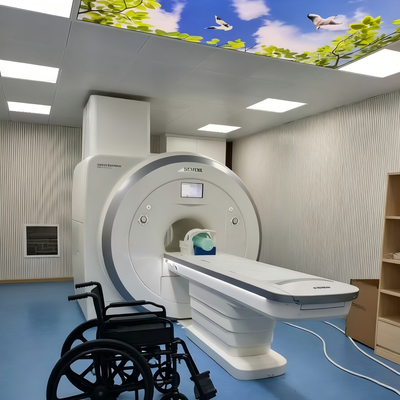
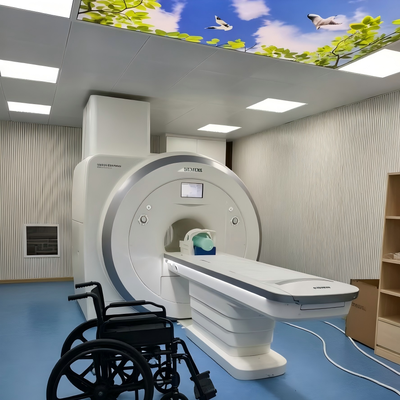
Foldable Non Magnetic Wheelchair with Lightweight Construction and 100kg Load Bearing for MRI Environments

| Brand Name | Jovi |
|---|---|
| Certification | ISO |
| Model Number | 1-cf-009 |
| Document | JVVM-NMT-Series SPE and Quo...on.pdf |
| Minimum Order Quantity | 1set |
| Price | $1200-$1580 |
| Packaging Details | In Wooden Case Or Customized |
| Delivery Time | 5-8 Work Days |
| Payment Terms | T/T |
| Supply Ability | 300 Set / Month |
Product Details
| Material | Aluminum Alloy | Load Bearing Weight | ≤100kg |
|---|---|---|---|
| Seat Width | 18 Inches | Seat Depth | 18 Inches |
| Backrest Height | 30 Inches | Recline Range | 0 To 45 Degrees |
| Highlight | 100Kg Wheelchair,Wheeled Foldable,Professional Non-Magnetic Foldable |
||
Product Description
Reclining Non-Magnetic MRI Wheelchair
Function
The Reclining Non-Magnetic MRI Wheelchair allows the backrest to recline up to 45 degrees, enabling patients who cannot sit upright for extended periods to be transported comfortably. The recline mechanism uses a non-magnetic gas spring and a ratchet lock with three preset positions: 0 degrees (upright), 25 degrees (semi-reclined), and 45 degrees (fully reclined). When fully reclined, the patient’s weight is distributed across the backrest and seat, reducing pressure on the buttocks and spine. The leg rests elevate simultaneously with the recline – a coordinated mechanism that prevents the patient’s feet from dangling. The chair also includes a headrest that can be adjusted independently. The recline mechanism can be operated by the patient (using a pull strap) or by an attendant (using a lever on the back of the chair).
Application
This wheelchair is ideal for patients with conditions that make upright sitting impossible: recent spinal surgery, pelvic fractures, or advanced pregnancy. It is also suitable for patients with autonomic dysfunction or orthostatic hypotension who become dizzy when sitting upright. In the MRI setting, these patients often cannot tolerate sitting upright while waiting for their scan, and they may not be able to transfer from a standard wheelchair to the MRI table without significant . The reclining wheelchair allows them to assume a comfortable position during transport and waiting, then – if the MRI scanner table can be lowered sufficiently – the patient may be able to slide directly from the reclined wheelchair to the scanner table without ever sitting upright.
Product Details
Frame:
aluminum alloy 6061 with brass fasteners.
Seat width:
18 inches.
Seat depth:
18 inches.
Backrest:
30 inches tall when upright, with integrated headrest that extends an additional 6 inches.
Recline range:
0 to 45 degrees in 5-degree increments (detents every 5 degrees).
Leg rests:
elevating, with calf support and heel loops.
Leg rest elevation range:
0 to 60 degrees, independent of backrest recline.
Gas spring:
non-magnetic, nitrogen-filled, rated for 10,000 cycles.
Headrest:
adjustable in height (2-inch range) and angle (0 to 30 degrees).
Armrests:
full-length (from seat to backrest), padded, flip-back.
Rear wheels:
24 inches, composite, with solid rubber tires.
Front casters:
6 inches, swivel with ceramic bearings.
Brakes:
push-to-lock on rear wheels, with extended levers for easy reach when the chair is reclined.
Weight capacity:
300 pounds.
Weight of chair:
45 pounds (heavier due to recline mechanism).
Foldable:
no – rigid frame for stability.
Overall length when reclined:
52 inches (from headrest to footrest).
Includes:
a non-magnetic cup holder and a small storage net on the back of the chair.
Warranty:
Three-year warranty on recline mechanism; five-year warranty on frame.
Recommended Products
