


All Products
-
Nuclear Radiation Protection
-
Nuclear Radiation Detector
-
Copper Foil Shielding
-
RF Shielded Doors
-
RF Shielded Windows
-
Radiation Protection Lead Glass
-
Non Magnetic Tool Kit
-
RF Shielded Chamber
-
Honeycomb Waveguide Air Vents
-
Conductive Adhesive Copper Tape
-
Copper Wire Mesh
-
X Ray Lead Glass
-
EMI Shielding Gasket
-
Electrically Conductive Fabric
-
Radiation Protection Door
-
Radiation Protection X Ray
-
Faraday Cage MRI
-
Copper Wire Wool
-
MRI LED Lighting
-
Non Magnetic Wheelchair
-
Non Magnetic Stretcher
-
 AnasBrass honeycomb vent Looks Very Nice
 -
 SatheeshMRI/RF doors are shining with handles, Thank you My friend.
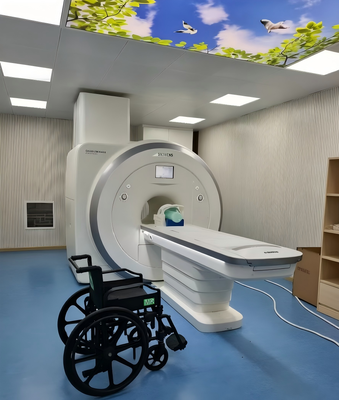
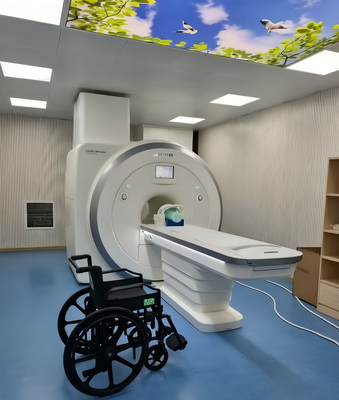
Adjustable Footrest Non Magnetic Wheelchair with Aluminum Alloy Frame and 120 Kg Weight Capacity for MRI Rooms

| Brand Name | Jovi |
|---|---|
| Certification | ISO9001 |
| Model Number | 1-cf-009 |
| Document | JVVM-NMT-Series SPE and Quo...on.pdf |
| Minimum Order Quantity | 1set |
| Price | $1200-$1580 |
| Packaging Details | In Wooden Case Or Customized |
| Delivery Time | 5-8 Work Days |
| Payment Terms | T/T |
| Supply Ability | 300 Set / Month |
Product Details
| Seat Size | 460mm | Material | Aluminum Alloy |
|---|---|---|---|
| Backrest Height | 45 Cm | Tilt Range | 0 To 40 Degrees |
| Weight Capacity | 350 Pounds | Seat Width | 18 Inches |
| Highlight | 120Kg Wheelchair,Wheeled Aluminum,Adjustable Footrest 120Kg Wheeled |
||
Product Description
Tilt-in-Space Non-Magnetic MRI Wheelchair
Function
Function: The Tilt-in-Space Non-Magnetic MRI Wheelchair allows the entire seat assembly – seat, backrest, and leg rests – to tilt backward as a single unit, changing the patient’s angle relative to the ground while maintaining the same hip, knee, and ankle angles. This is different from reclining, which changes the angle between the seat and backrest. Tilt-in-space redistributes the patient’s weight from the buttocks to the back, reducing pressure on the sacrum and coccyx – a critical feature for patients with pressure ulcers or those at risk of developing them. The tilt mechanism uses a non-magnetic gas spring and a ratchet lock with 10-degree increments from 0 to 40 degrees of tilt. The tilt can be operated by an attendant using a lever on the back of the chair.
Application
Application: This wheelchair is essential for patients with pressure injuries, recent flap surgery, or conditions that limit their ability to shift weight independently (e.g., spinal cord injury, multiple sclerosis, stroke). In the MRI setting, these patients cannot remain in a standard upright wheelchair for extended periods without risking skin breakdown. The tilt-in-space function allows them to be positioned for comfort and pressure relief during transport and waiting. The chair is also used for patients with poor trunk control or spasticity who cannot maintain an upright posture; tilting backward provides a more stable position and reduces the risk of the patient sliding forward. For patients with dysphagia or reflux, tilting backward after meals can reduce aspiration risk during transport.
Product Details
Frame
aluminum alloy 6061, reinforced at pivot points
Seat width
18 inches (standard) or 20 inches (wide)
Seat depth
18 inches
Backrest height
18 inches, with integrated headrest
Tilt range
0 to 40 degrees in 10-degree detents
Tilt mechanism
non-magnetic gas spring (nitrogen) with ceramic release valve
Tilt lever
located at the back of the chair, accessible to attendant
Armrests
full-length, padded, flip-back
Leg rests
elevating, with calf support, tilt in coordination with seat
Rear wheels
24 inches, composite, positioned rearward to maintain stability during tilt
Front casters
6 inches, swivel with extended axle for stability
Brakes
push-to-lock on rear wheels, plus an additional parking brake that engages automatically when tilt exceeds 30 degrees (safety feature)
Weight capacity
350 pounds
Weight of chair
52 pounds (heavier due to tilt mechanism)
Foldable
no – rigid frame for stability
Seat-to-floor height
20 inches
Includes
a non-magnetic pressure redistribution cushion (3 inches thick, honeycomb design) that fits the seat
Warranty
Five-year warranty on tilt mechanism; three-year warranty on frame
Recommended Products
